Scaling your business with Shopify in 2026

By Robin Laseur

Our favourite E-Commerce platform Shopify offers a brilliant blend of simplicity and potential for customisation that can help you grow efficiently and effectively. We are fans of using the power this platform gives us, so why shouldn’t you use it as well? To make it simple, we’ve merged the essence of scaling with Shopify into an approachable guide for 2026. Let’s dive into how you can expand your operations smoothly with this powerful platform.
HubSpot is a leading customer relationship management (CRM) platform known for its robust inbound marketing and sales software. In today’s fast-paced digital world, integrating AI into CRM systems has become essential for enhancing efficiency, gaining better customer insights, and automating routine tasks. This blog aims to highlight the best AI tools offered by HubSpot and how they can transform your business operations.
Start with simplicity
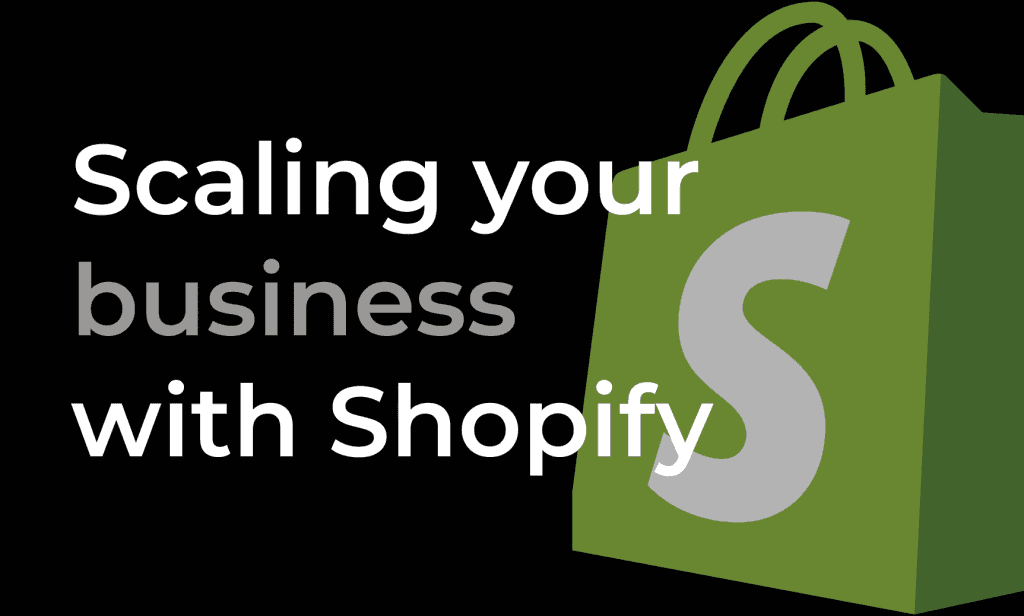
Shopify shines with its user-friendly interface, making it a favourite among entrepreneurs. It’s straightforward to set up a store—no coding required. With their Website builder it’s possible to build a shop without coding – literally in a few minutes. With different themes you can choose what works best for you and get a feeling for how your brand will be presented.
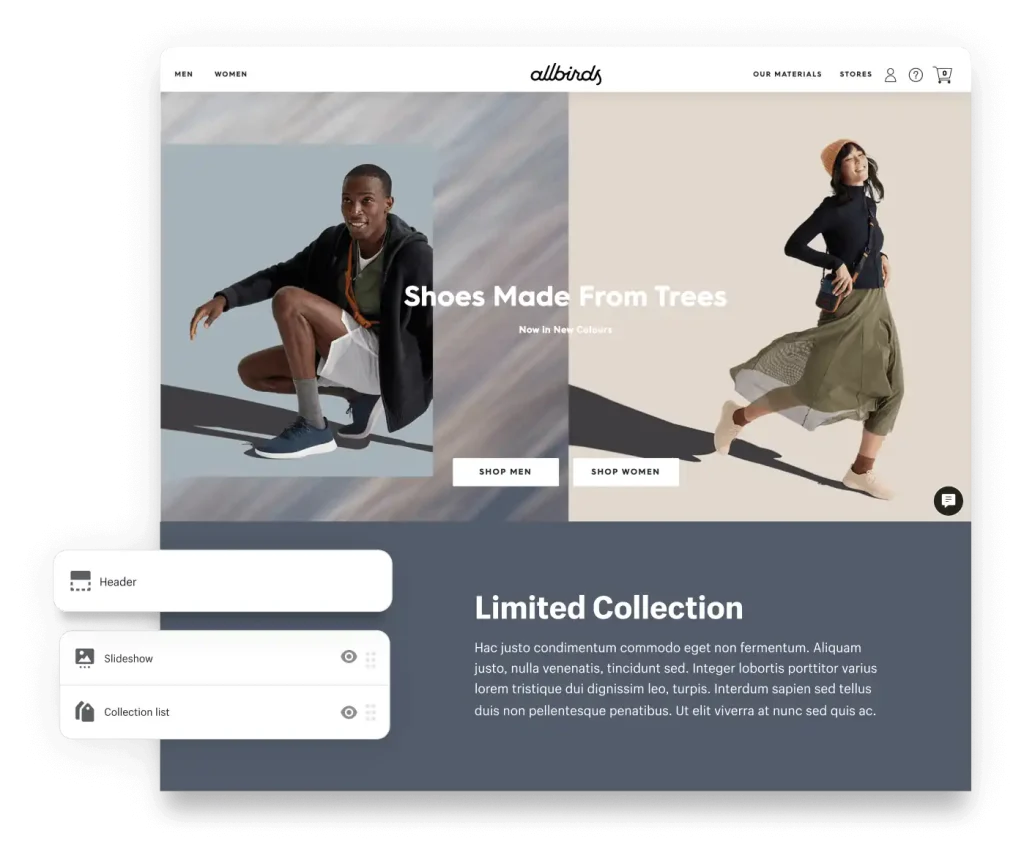
This simplicity means you can launch quickly and start selling without getting bogged down in technical details. So if you’re a young entrepreneur, looking for a way to easily build a working store, this is your way to go!
But the real beauty of Shopify comes from its scalability. As your business grows, Shopify’s basic functionalities can be enhanced with a myriad of apps and custom features, accommodating more complex needs over time. And this is where it gets really interesting!
Customise as you grow
While Shopify’s out-of-the-box features are great for starters, your growing business will likely demand more. This is where custom development steps in. Customising your Shopify store goes beyond aesthetic changes; it involves integrating advanced functionalities that cater specifically to your business needs. Whether it’s crafting a unique checkout process, integrating bespoke shipping methods, or deploying sophisticated inventory management systems, custom solutions can significantly enhance efficiency and improve the customer experience. Shopify holds amazing opportunities for developers working on shops and bringing them to new levels. Mostly these steps will require a Shopify developer, which, for a scaling company, will be hired from an agency. As Shopify Plus partner, our developers have access to all the features that Shopify holds.
The nice thing about this stage is, that there are almost no boundaries anymore regarding design and usability of your new Webshop. By custom coding and using Shopify’s tools, a good developer working with a good designer can put your vision into life.
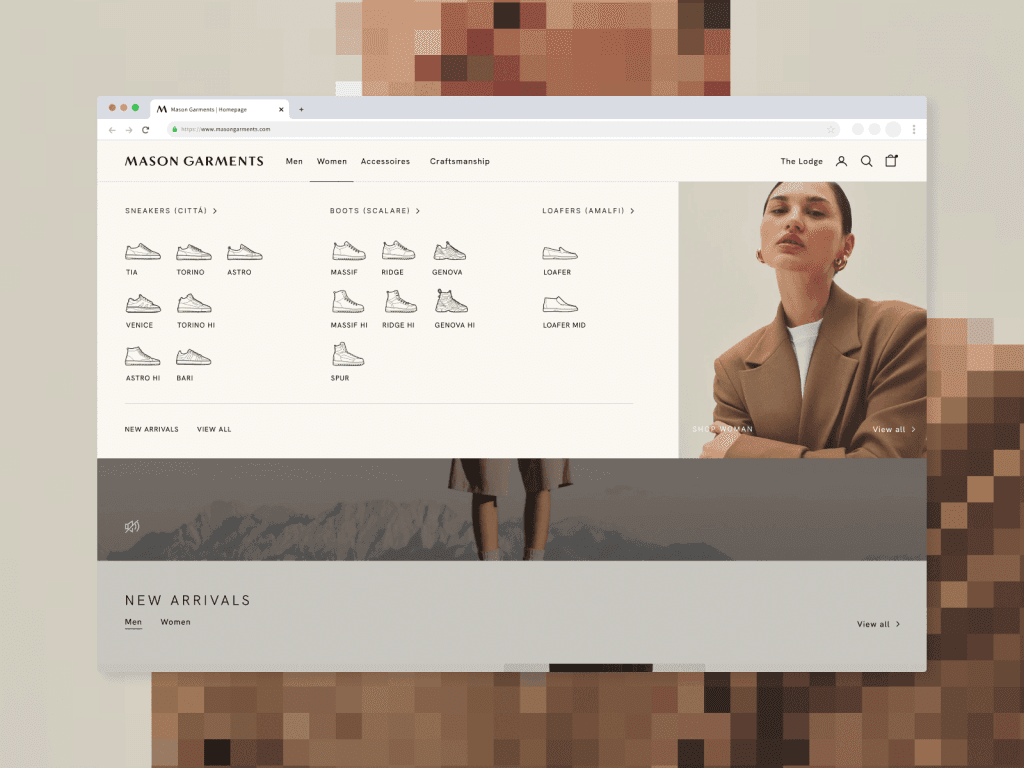
What you see here is the custom built store of Mason Garments – by Flatline Agency. This store is an amazing example for what can be done if creative minds and precise developers come together.
So with that being said, as soon as your own store is growing, the custom developed path will mostly be the way to go. But a Webshop won’t be scaling with just the setup. There’s more to it and the following points play a crutial role.
Automation – the backbone of sustainable scaling
As your order volumes increase, manual processes become unsustainable. Automation is key to managing your growing workload without compromising quality. Shopify’s ecosystem is rich with apps designed to automate almost every aspect of your operations, from marketing and SEO to customer service and logistics. By automating routine tasks, you free up time to focus on strategic growth initiatives. Apps like Klaviyo and Returnista can be real gamechangers for your store and order management. By implementing these tools you’re able to manage everything and automate your scale with for example email flows, automatic customer reviews and much more. These automation apps are easy to implement but they should fit your brand ans style and take time to set up. For this its also handy to consult with an agency or even hire one to help you out with the fitting implementation for your shop.

Alex Albon – a custom Webshop accompanied by a 360 degree Marketing strategy – by Flatline Agency.
Also keep in mind – it’s not always “the more the better”, so make sure you get some consultation on what suits your brand and Webshop. In that sense we’re happy to help you out and supporting you post set-up just the way you need it.
Leverage analytics for informed decision making
After you built a nice shop, outstanding design, clean development and automated processes, you will be wanting to check your results.
Data drives decisions, and with Shopify, accessing and understanding your business analytics is straightforward. You can use Shopify’s analytics to monitor your sales trends, customer behaviour, and overall performance. These insights allow you to make informed decisions that align with your business objectives, ensuring that every move you make is calculated and strategic. With an Advanced Shopify or Shopify Plus plan your even able to get a custom report on your store and activities – definitely handy for checking your strategy and automation tools.
In general sense with Shopify analytics you’re able to:
Check the value of your recent sales and compare them to a previous time period
Compare how well your sales channels are performing
Track your average order value
Review where your visitors are coming from by region or by social media source
Monitor the trends over time
Last but not least it’s important to not forget about changing consumer behaviour as well as changing trends.
Stay agile
An agile approach allows you to adapt quickly and effectively. Shopify’s versatility makes it easy to test new ideas and pivot strategies without overhauling your entire platform. This adaptability is vital for staying competitive in a dynamic market.
Every half a year the Ecommerce platform releases an Edition with new features for developers and shop owners to use an stay ahead of all trends. These Editions never disappoint and show us, how fast-paced and agile Shopify really is.

The UNIFIED COMMERCE Edition introduced Shopify’s unified commerce solution, particularly beneficial for businesses looking to provide a smooth, integrated shopping experience for their customers. This ensures that the service they receive online is consistent with what they would expect in-store, and vice versa.
So with Shopify you’ll be able to stay up to date and scale sustainable, yet efficient!
To sum up
Shopify’s user-friendly interface is perfect for kicking things off without any tech headaches. Launch your store with ease using Shopify’s Website Builder, and pick from various themes to find the perfect fit for your brand’s vibe. As your venture grows, so do your needs. Shopify’s scalability allows you to enhance basic functionalities with custom features and apps, ensuring your setup grows with your business. Custom development is key here; it allows for the integration of unique features tailored specifically to streamline your operations and improve customer interactions. Scaling up means increasing complexity in operations. Automation via Shopify’s extensive app ecosystem is critical. It helps manage the increased workload by automating marketing, SEO, customer service, and logistics. Tools like Klaviyo and Returnista transform how you handle orders and customer interactions, crucial for sustainable growth. With your store up and running, leveraging Shopify’s analytics is crucial. This toolset helps you monitor key metrics like sales trends and customer behavior, providing the insights needed to make informed strategic decisions. Advanced plans offer even deeper data dives, allowing for tailored reports that align with your business goals.
Shopify is more than just a platform; it’s a partner in your business growth. With its combination of ease of use, customisation potential, and robust data analytics, Shopify is a powerhouse tool for anyone looking to scale efficiently.
As your ecommerce agency for the build, automation, and analytics stages alike, we help you scale each part of this playbook without losing the customisation that makes your store yours.
Ready to boost your business? Flatline Agency is here to help you make the most out of Shopify’s dynamic platform. Let’s grow together!
Related articles