Data-Driven Marketing: Utilizing CRM insights to succeed in the B2B environment

By Robin Laseur

Imagine you have a map, but you don’t know where to go. You have all the tools you need, but without a clear direction, your journey is full of questions. Well, this situation is similar to B2B businesses that don’t utilize data well.
CRM (Customer Relationship Management) is a tool that helps you create a more targeted marketing strategy. But, the question is, how can data from CRM make a big difference in your strategy? And why is it so important in today’s digital world? Let’s discuss further!
Why CRM is important for data-driven marketing
Let’s start with one important fact: using CRM without a data-driven strategy is like having a map without a destination. You have all the tools you need for the journey, but without a clear direction, you’re likely to get lost along the way. CRM is at the heart of many modern businesses, but its benefits only really come when you know how to harness the data it contains.
Think of CRM as a giant repository of all the information about your customers: who they are, what they want, and how they interact with your business. When used correctly, this data becomes the foundation for highly personalized, effective, and ultimately, more successful marketing campaigns. So how can you leverage CRM to improve your B2B marketing strategy? Let’s explore.
What Is data-driven marketing?
Data-driven marketing is an approach to marketing that is based on the analysis and interpretation of data. In the B2B world, where buying decisions are often complex and involve many parties, having relevant data can make a big difference. For example, instead of sending a generic email to your entire contact list, data-driven marketing allows you to send specific, relevant messages that are tailored to each prospect’s unique needs.
Using a CRM is key to gaining these insights. CRMs not only store customer data, but also provide information about their buying patterns, browsing habits, and previous interactions. With these insights, marketing teams can make smarter, faster decisions.
3 ways to use CRM for a successful B2B strategy
Managing customer relationships is at the heart of any successful B2B strategy. By leveraging CRM (Customer Relationship Management), companies can optimize every interaction with customers, from attracting leads to maintaining long-term relationships. But how do you leverage CRM effectively to ensure maximum results? Here are three ways you can implement CRM to become the foundation of a successful B2B strategy.
1. Send the right message to the right audience
Imagine throwing a big party, but only having one type of food for all the guests. While some people might be satisfied, most will find it a bit underwhelming. The same is true in marketing. CRMs help you break down your audience into smaller segments based on their data, such as their industry, location, or company size. That way, you can offer a more relevant “menu” to each group.
2. Personalization is a surefire way to increase conversions
Sending generic messages to all your prospects won’t impress them. Data from a CRM allows you to understand each client’s unique needs. For example, if data shows that a prospect frequently visits a particular product page on your site, you can send an email promoting that product’s features, complete with a case study from their industry. This kind of personalization significantly increases the chances of conversion.
3. Track, modify, and maximize results
The beauty of data-driven marketing is that you take the guesswork out of it. CRMs allow you to track the effectiveness of your campaigns in real time. If one method isn’t working, you can quickly adapt. This gives you the flexibility to try new approaches without wasting time or budget.
3 ways to use CRM for a successful B2B strategy
Have you ever wondered how data can fuel innovation? In the fast-paced world of B2B business, data is not just a tool for understanding customers, but also the foundation for creating fresh new ideas.
By leveraging CRM (Customer Relationship Management), companies can find opportunities that were previously unseen. For example, certain purchasing patterns in CRM data can inspire new products or even reach untapped markets. This data allows businesses to move faster and more efficiently, providing solutions before problems arise.
But innovation is not just about products. CRM also helps marketing teams try new campaign approaches that are more relevant and personalized. With features like A/B testing, you can find out which strategies are working without having to spend a lot of budget.
In essence, CRM is not just a tool for storing data, but also an innovation engine that can help companies create new trends, not just follow them.

How can B2B businesses leverage data to improve marketing?
In the B2B business world, effectively leveraging data is key to designing more targeted and relevant marketing strategies. Well-managed customer data can provide valuable insights to understand market needs, create more personalized relationships, and improve operational efficiency.
However, the success of data-driven marketing also depends heavily on the tools used to manage and analyze the data. One tool that is widely used by B2B businesses is HubSpot. As an all-in-one CRM platform, HubSpot not only offers features such as customer interaction tracking and marketing automation, but also provides in-depth analytics to support data-driven decision making.
Why is HubSpot the top choice for B2B data-driven marketing?
In the B2B business world, effectively leveraging data is key to designing more targeted and relevant marketing strategies. Well-managed customer data can provide valuable insights to understand market needs, create more personalized relationships, and improve operational efficiency.
HubSpot has long been one of the top CRM platforms of choice for B2B businesses looking to leverage data-driven marketing. The tool is designed to help companies collect, analyze, and effectively leverage customer data at every stage of the customer journey.
Features like customer activity tracking, advanced segmentation, and marketing automation integrations enable businesses to create more personalized and relevant marketing campaigns. With the data collected by HubSpot, companies can identify market trends, deepen their understanding of customer needs, and improve the overall customer experience.
Beyond that, HubSpot allows you to optimize multiple marketing channels, whether it’s email, social media, or website, all within one platform. Another big advantage is the ability to measure and evaluate campaign performance in real-time, allowing companies to make more informed and faster data-driven decisions.
With all of these features, HubSpot not only helps B2B businesses run more efficient marketing, but also improves the results and ROI (Return on Investment) of every marketing effort they make.
The future of data-driven marketing in the digital age
Imagine if every marketing decision you made was based on accurate data, not just guesswork. This is where the future of data-driven marketing is headed, especially with technologies like artificial intelligence (AI) and machine learning (ML) becoming more sophisticated.
In the future, CRM will no longer be just an administrative tool. With the help of AI, you can predict customer needs before they even realize it. For example, providing solutions before customers mention their problems.
The CRM of the future will be a strategic partner that provides real-time insights to create more personalized and dynamic campaigns. From automated product recommendations to tailored marketing messages for each customer, everything will feel more relevant and impactful.
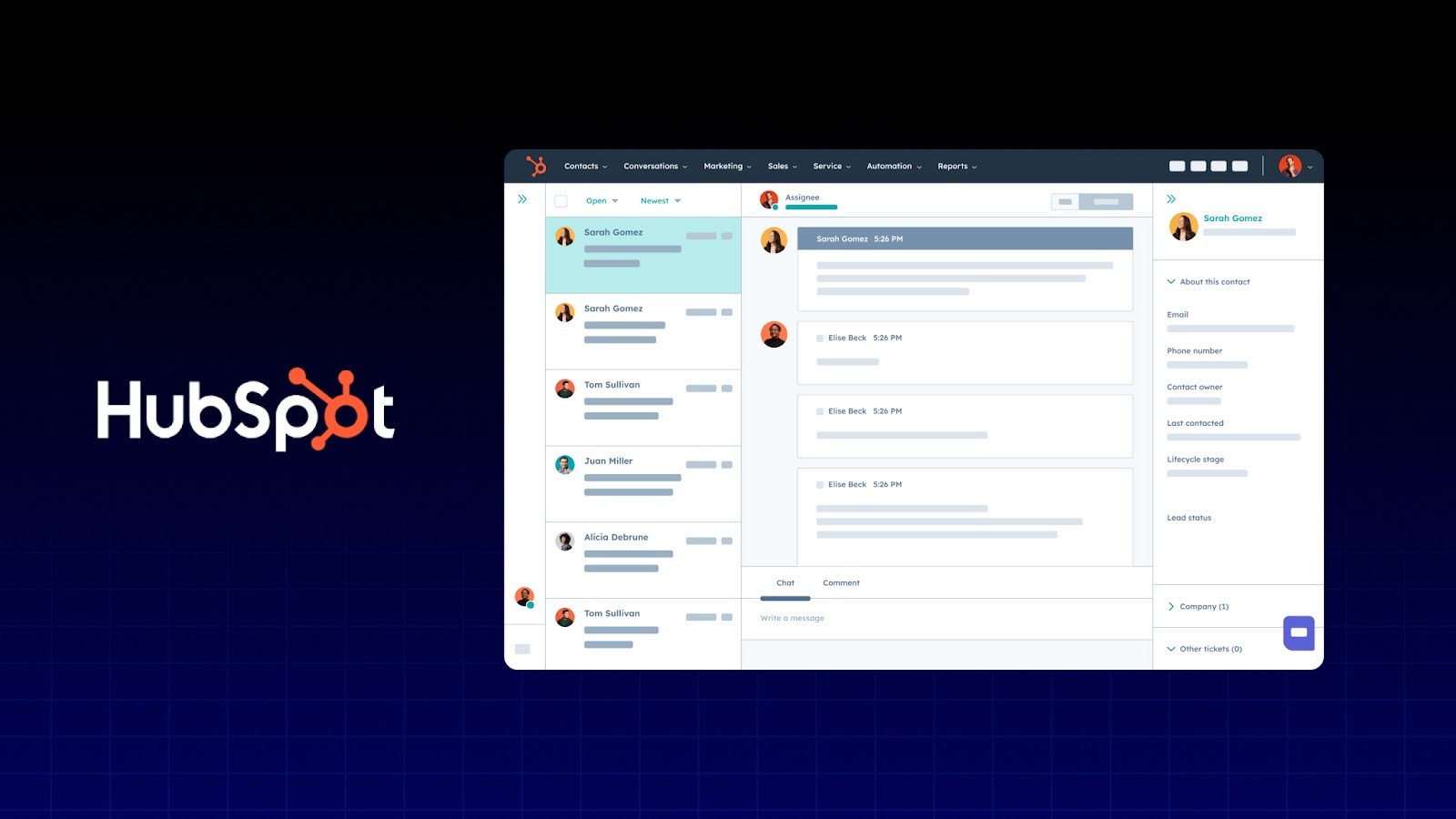
HubSpot is an example of a platform that is already preparing for this future. With features that integrate marketing automation and customer data management, HubSpot allows businesses to start building relevant, data-driven strategies today. From tracking customer interactions to in-depth analytics, the platform helps you understand customer interaction patterns and apply them to align your business strategy.
The first step towards this future is to leverage the data you already have today. By using tools like HubSpot, you can understand customer needs more deeply, personalize marketing campaigns, and provide a better experience for your customers.

Flatline helps you maximize your digital potential
Flatline Agency is the right partner to help your business increase its digital presence through website development integrated with HubSpot. As a professional website development agency, we not only focus on attractive designs, but also on functionality that supports data-driven marketing strategies.
As a digital marketing agency in Amsterdam, we connect that HubSpot foundation to the campaigns and lifecycle marketing that turn CRM data into revenue.
With our experience in using HubSpot as the main platform, we ensure that your website is not only the face of your business, but also an effective tool for managing customer data, automating marketing processes, and increasing customer engagement.
Websites developed by Flatline are designed to meet the specific needs of B2B businesses, such as CRM integration, SEO optimization, and interactive features that support user experience. All of this is done to ensure that your business has a strong digital foundation in a competitive environment.
Ready to turn data into profitable srategies?
Using CRM data for your B2B marketing strategy is no longer an option, it’s a must. By leveraging relevant insights, you can not only attract more leads but also maintain meaningful, long-term relationships with them.
With a platform like HubSpot, you have the right tools to efficiently manage customer data, create personalized marketing campaigns, and optimize customer engagement. HubSpot gives you access to features like marketing automation, in-depth analytics, and customer engagement tracking. Everything you need to turn data into profitable strategies.
So, are you ready to turn data into a profitable strategy?
Ready to build something real together with your favorite creatives and tech leads? Get into contact or fill out an inquiry form.
Related articles